How to Spot Early Signs of a Mold Problem in Your Ellington Home
Mold thrives in damp, hidden spaces long before it becomes visible. In our Connecticut climate, with humid summers and wet springs, early detection is key to preventing costly remediation. We’ve seen firsthand how small signs can escalate into full-blown infestations in basements, attics, and crawl spaces across Tolland and Stafford.
Why Early Detection Matters in New England Homes
Connecticut’s seasonal swings—from icy winters to humid summers—create ideal conditions for mold growth. Moisture lingers in basements, attics, and wall cavities, often unnoticed until it’s widespread.
Left unchecked, mold compromises indoor air quality and structural integrity. In Ellington, homes near the Hockanum River or in low-lying areas are especially vulnerable to water intrusion.
A persistent earthy or musty smell is often the first sign of hidden mold. Even if you can’t see it, spores may already be circulating in your air.
Visible Signs: What to Look For
Mold appears as black, green, white, or even pinkish spots on walls, ceilings, or floors. It often starts as tiny dots that grow into larger patches, especially in bathrooms, kitchens, and laundry rooms.
Staining on drywall or peeling paint can indicate moisture buildup behind surfaces. In attics, check for dark streaks on rafters or insulation—common in poorly ventilated spaces.
Hidden Mold: The Silent Threat
Mold loves to hide behind baseboards, under carpeting, or inside HVAC ducts. In crawl spaces and basements, it thrives on wooden joists or cardboard boxes stored on concrete floors.
Water damage from past leaks—even if dried—can leave behind spores. Always inspect areas with previous flooding, like those near Somers or East Windsor after heavy storms.
| Area | Why It’s at Risk | What to Check |
|---|---|---|
| Basements | Poor drainage, high humidity | Walls, floors, stored items |
| Attics | Roof leaks, poor ventilation | Insulation, rafters, plywood |
| Crawl Spaces | Ground moisture, lack of airflow | Joists, vapor barriers, ductwork |
| Bathrooms | Condensation, plumbing leaks | Grout, under sinks, ceilings |
| HVAC Systems | Condensation in ducts | Vents, drip pans, filters |
The Role of Humidity and Moisture
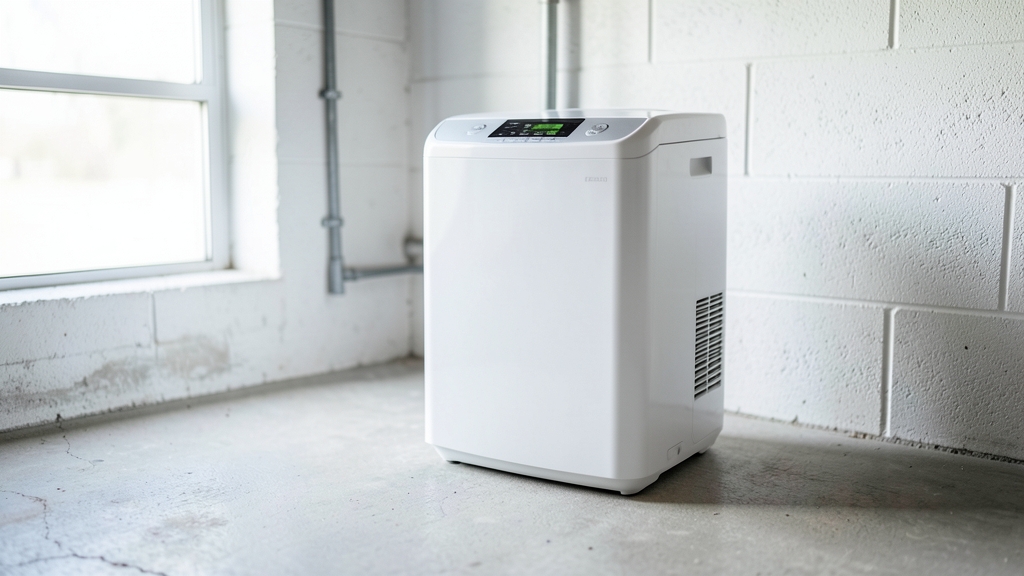
Mold needs moisture to grow, and Connecticut’s humidity levels often exceed 60% in summer. Dehumidifiers are essential in basements and crawl spaces to keep levels below 50%.
Condensation on windows or pipes is a red flag. In older Ellington homes, single-pane windows and poor insulation worsen the problem.
Health Symptoms Linked to Mold Exposure
Early signs of mold exposure often mimic allergies: sneezing, itchy eyes, or skin irritation. These symptoms may worsen indoors and improve when you’re outside.
Chronic exposure can lead to respiratory issues, headaches, or fatigue. Children, the elderly, and those with asthma are especially at risk.
If multiple household members experience unexplained health issues, a mold inspection and air quality testing can identify hidden problems.
DIY vs. Professional Mold Inspection
Home test kits can detect mold, but they don’t pinpoint the source or extent. Professionals use moisture meters, thermal imaging, and air sampling for accurate assessments.
For water damage restoration or large-scale remediation—especially in commercial properties or multi-level homes—expertise is critical. Our team serves Ellington, Tolland, and beyond with tailored solutions.
Preventing Mold Before It Starts
Control moisture with proper ventilation in bathrooms, kitchens, and laundry areas. Exhaust fans should vent outdoors, not into attics.
Regularly inspect roofs, gutters, and downspouts for leaks or clogs. In basements, ensure sump pumps are functional and grading slopes water away from the foundation.
Mold Prevention Checklist
- Use dehumidifiers in damp areas (basements, crawl spaces)
- Fix leaks in roofs, pipes, or windows immediately
- Clean and dry water-damaged areas within 24-48 hours
- Improve airflow with fans or open windows when weather permits
- Insulate cold surfaces to prevent condensation
- Schedule annual HVAC maintenance to prevent duct mold
How to Inspect Your Home for Mold
A thorough inspection can uncover mold before it spreads.
- 1Start with a Visual Scan
Check walls, ceilings, and floors for discoloration or staining. Pay special attention to areas near plumbing, windows, and exterior walls.
- 2Follow Your Nose
Musty odors often lead to hidden mold. Sniff around basements, attics, and behind furniture.
- 3Inspect for Water Damage
Look for warped wood, bubbling paint, or water rings. These are telltale signs of past or current moisture issues.
- 4Check Hidden Areas
Move furniture, lift carpet edges, and open access panels to inspect behind walls or under flooring.
- 5Use a Moisture Meter
These affordable tools help detect dampness in drywall, wood, or other materials—even if the surface looks dry.
- 6Document and Act
Take photos of any suspicious areas and note their locations. If you find mold or persistent moisture, contact a professional for testing and remediation.
Frequently Asked Questions
Can mold grow in winter in Ellington?
Yes. While outdoor mold growth slows in cold weather, indoor mold thrives year-round if moisture is present. Heating systems can create condensation, and poor insulation leads to cold spots where moisture accumulates.
How do I know if it’s mold or just dirt?
Mold often appears fuzzy or slimy and grows in patterns, while dirt is usually uniform and doesn’t spread. If you’re unsure, a professional mold inspection can confirm with testing.
Is black mold more dangerous than other types?
Black mold (Stachybotrys) can produce mycotoxins, but not all black mold is toxic. Any mold in your home should be addressed promptly, as all types can cause health issues or structural damage.
What should I do if I find mold in my rental property?
Document the issue with photos and notify your landlord immediately. In Connecticut, landlords are typically responsible for mold remediation if it’s due to structural or maintenance issues.
Does homeowners insurance cover mold remediation?
Coverage varies by policy. Most standard policies cover mold damage only if it’s a result of a ‘covered peril,’ like a burst pipe. Flood-related mold usually requires separate flood insurance. Always check your policy and request a quote for remediation costs.
Can mold come back after remediation?
Yes, if the root cause (e.g., leaks, poor ventilation) isn’t fixed. Professional remediation includes moisture control measures to prevent recurrence. Regular inspections help catch new issues early.