Understanding Mold Remediation Costs in Ellington: Key Factors and Budgeting Tips
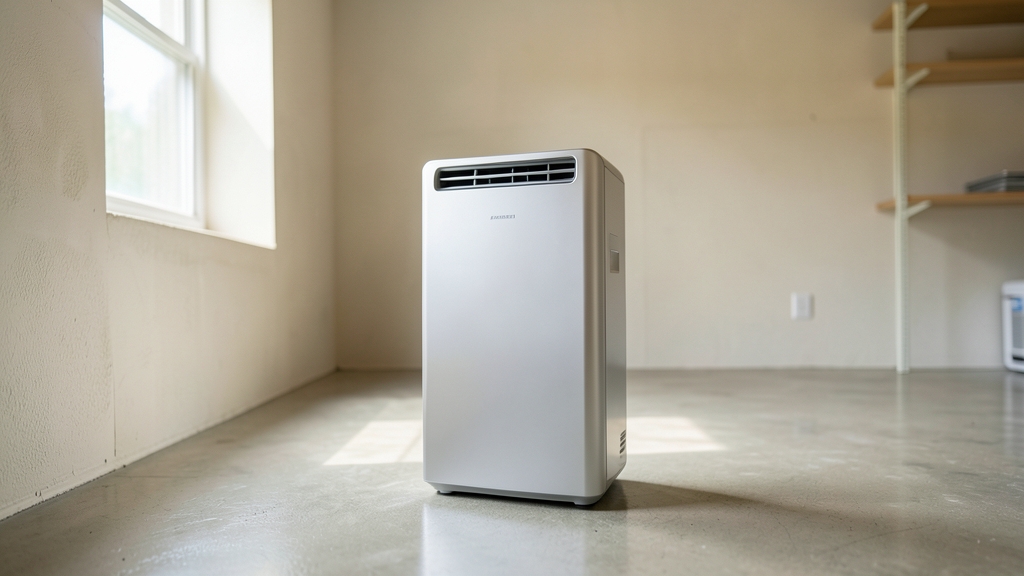
Mold remediation costs can vary widely depending on the extent of the infestation, the type of mold, and the affected areas. We break down what Ellington homeowners and business owners need to know to plan and budget effectively for safe, thorough mold removal.
Why Mold Remediation Costs Differ So Much
No two mold problems are alike. Costs hinge on the square footage affected, the mold species present, and whether hidden growth exists behind walls or under flooring.
In our climate, seasonal humidity spikes and poor ventilation—common in older homes in Tolland County—often worsen infestations, requiring more intensive remediation.
Commercial spaces, like those in Stafford or Somers, may need larger-scale containment and specialized equipment, adding to the complexity and cost.
Key Factors That Influence Your Mold Remediation Estimate
The scope of contamination is the biggest driver. Surface-level mold in a bathroom is far cheaper to address than widespread growth in a basement or crawl space.
Accessibility matters. Attic mold remediation often requires additional safety measures and equipment, increasing labor time and costs.
The presence of water damage demands simultaneous restoration. If the source isn’t fixed, mold will return, making moisture control a non-negotiable part of the process.
| Factor | Impact on Cost | Why It Matters |
|---|---|---|
| Square footage of mold | High | Larger areas require more labor, containment, and antimicrobial treatments |
| Mold type (e.g., black mold vs. common household mold) | Moderate to High | Toxic or resistant species may need specialized removal protocols |
| Location (basement, attic, crawl space, etc.) | Moderate to High | Hard-to-reach areas increase labor and equipment needs |
| Water damage present | High | Requires drying, repairs, and prevention measures to avoid recurrence |
| Need for air quality testing | Low to Moderate | Confirms remediation success and identifies hidden spores |
| Commercial vs. residential | Moderate to High | Commercial spaces often need larger containment zones and compliance with stricter regulations |
The Hidden Costs of DIY Mold Removal
Many homeowners attempt DIY mold cleanup to save money, only to face recurring problems. Without proper containment, spores spread, worsening the infestation.
Improper use of bleach or household cleaners can kill surface mold but leave roots intact, leading to regrowth within weeks. Professional antimicrobial treatments penetrate deeper.
Safety risks are real. Disturbing mold without HEPA filtration or protective gear can expose you to mycotoxins, especially in enclosed spaces like basements or attics.
Never attempt to remove large or toxic mold growths yourself. Improper handling can release harmful spores into the air, risking your health and worsening the problem.
What’s Included in Professional Mold Remediation?
A thorough process starts with a mold inspection and testing to identify the species and extent of the growth. Air quality testing ensures no hidden spores linger.
Containment is critical. We use physical barriers and negative air pressure to prevent spores from spreading to clean areas during removal.
Remediation includes HEPA vacuuming, antimicrobial treatments, and, if needed, removing and replacing contaminated materials like drywall or insulation. Structural drying follows if water damage is present.
Mold Remediation vs. Mold Removal: What’s the Difference?
Mold removal refers to eliminating visible mold, but it doesn’t address the root cause. Remediation goes further, treating the source of moisture and preventing future growth.
In Ellington’s humid summers, remediation often includes dehumidifiers or improved ventilation to keep moisture levels in check long-term.
For commercial properties in East Windsor or Somers, remediation may also involve compliance with local health codes, adding documentation and verification steps.
True remediation isn’t just about cleaning—it’s about restoring a healthy environment. Always ask if moisture control is part of the plan.
How to Prepare for a Mold Remediation Quote
Start by documenting the problem. Note where you’ve seen mold, any musty odors, or signs of water damage like stains or peeling paint.
Clear the affected area of furniture or belongings to give our team full access. This speeds up the inspection and reduces labor costs.
Be ready to discuss the history of the space. Past flooding, leaks, or poor ventilation can help us pinpoint the source and tailor the remediation plan.
Before Your Mold Inspection
- List all areas where mold is visible or suspected
- Note any recent water leaks, flooding, or high humidity events
- Clear clutter from the affected space for easy access
- Turn off HVAC systems to prevent spore spread during inspection
- Have records of past mold tests or remediation efforts, if any
Timing and Duration: What to Expect
Most residential mold remediation projects take 1 to 5 days, depending on the size and complexity. Larger or commercial jobs in Tolland or Stafford may take a week or more.
Drying time adds to the timeline. If water damage is involved, structural drying can extend the process by 24–48 hours before remediation even begins.
Air quality testing post-remediation typically requires another 24–48 hours for lab results, ensuring the space is safe before reoccupancy.
Preventing Future Mold Growth in Ellington Homes
Controlling humidity is key. Aim to keep indoor levels between 30–50% with dehumidifiers, especially in basements and crawl spaces prone to dampness.
Regular inspections of attics, basements, and around windows can catch early signs of moisture or mold before they escalate. In older homes common in our area, this is especially critical.
Address leaks immediately. Whether it’s a roof issue in Somers or a pipe burst in East Windsor, quick action prevents the conditions mold needs to thrive.
Install exhaust fans in bathrooms and kitchens, and ensure your gutters and downspouts direct water away from your foundation. Small steps prevent big problems.
How to Budget for Mold Remediation in Ellington
Planning ahead ensures you’re prepared for the costs and process of professional mold remediation.
- 1Schedule a professional mold inspection
A certified inspector will assess the extent of the mold, identify the species, and check for hidden growth. This step is non-negotiable for an accurate quote.
- 2Address the moisture source
Whether it’s a leaky pipe, poor ventilation, or high humidity, fixing the root cause is essential. Skipping this step means mold will return.
- 3Request detailed quotes from licensed remediation teams
Compare scope of work, containment methods, and warranties. Ask if air quality testing is included post-remediation to confirm success.
- 4Plan for additional costs
Factor in potential repairs (e.g., drywall replacement), temporary relocation if the infestation is severe, and ongoing moisture control solutions.
- 5Confirm insurance coverage
Review your homeowner’s or commercial policy. Some plans cover mold remediation if it’s tied to a covered water damage event. Request a quote to align with your budget.
Frequently Asked Questions
Does homeowners insurance cover mold remediation in Ellington?
It depends on your policy and the cause. Most standard policies cover mold remediation if it’s the result of a sudden, covered event like a burst pipe. Gradual damage from long-term humidity or neglect is typically excluded. Always check with your provider.
How do I know if I need mold testing or just remediation?
If you can see mold, testing isn’t always necessary—but it’s wise if you suspect hidden growth or want to confirm the species (e.g., black mold). Air quality testing is critical after remediation to verify the space is safe. In commercial settings, testing is often required by regulations.
Can mold come back after remediation?
Yes, if the moisture source isn’t addressed. Professional remediation includes fixing leaks, improving ventilation, or installing dehumidifiers to prevent recurrence. In Ellington’s climate, ongoing moisture control is essential.
Is mold remediation in a crawl space more expensive than in a living area?
Typically, yes. Crawl spaces are harder to access, often require more containment, and may have extensive hidden growth. The confined space also increases labor time and safety precautions, adding to the cost.
What’s the difference between mold remediation and water damage restoration?
Mold remediation focuses on removing mold and preventing its return. Water damage restoration addresses the structural drying, repairs, and cleanup after flooding or leaks. Often, both are needed together—especially in basements or after storms common in our region.
Do you serve areas near Ellington, like Tolland or Stafford?
Absolutely. We provide mold inspection, testing, and remediation services across Tolland County, including Tolland, Stafford, Somers, and East Windsor. Local expertise means we understand the unique challenges of our climate and housing stock.